Article Content:
In the ever-evolving world of cryptocurrency, Ethereum has emerged as a name that’s hard to ignore. From tech circles to mainstream media, discussions about its "explosive popularity" are everyw
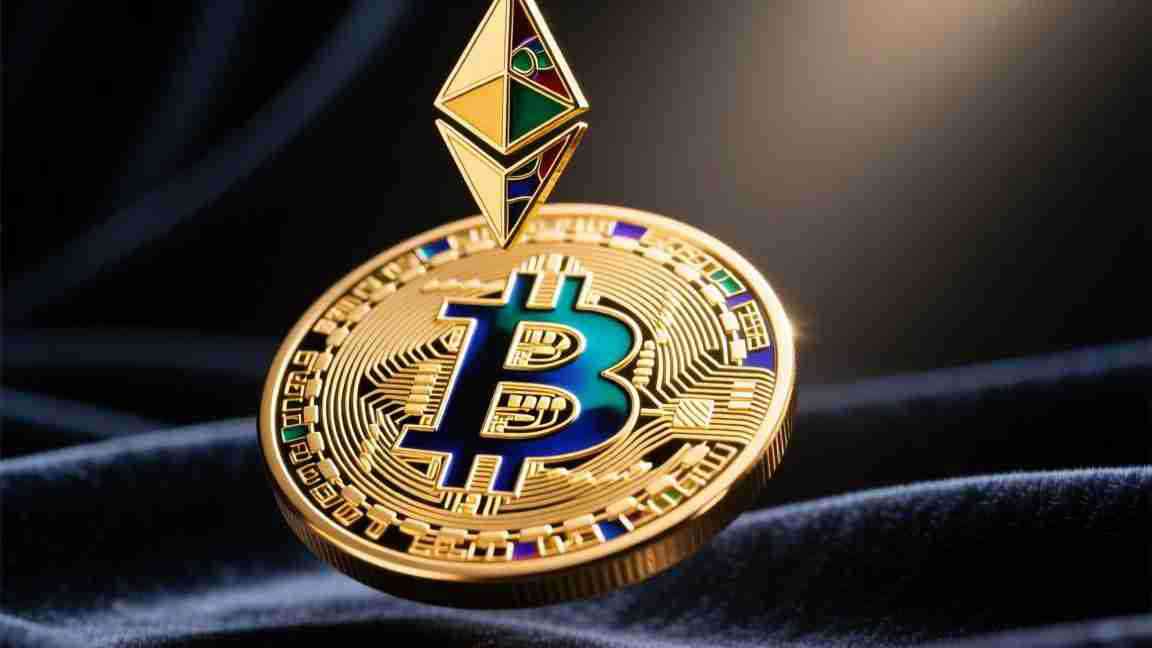
More Than Just a Cryptocurrency: Ethereum’s "Smart Revolution"
Unlike Bitcoin, which is often dubbed "digital gold" for its role as a store of value, Ethereum’s appeal lies in its smart contract functionality. Introduced in 2015 by Vitalik Buterin, Ethereum’s blockchain allows developers to build and deploy decentralized applications (dApps) on its platform. This innovation opened the floodgates for a wave of technological advancements, including decentralized finance (DeFi), non-fungible tokens (NFTs), and decentralized autonomous organizations (DAOs).
For instance, DeFi platforms like Uniswap and Aave, which enable lending, borrowing, and trading without intermediaries, are all built on Ethereum. Similarly, NFT marketplaces such as OpenSea rely on Ethereum’s blockchain to authenticate and trade digital assets. These use cases have transformed Ethereum from a mere cryptocurrency into a foundational infrastructure for the "decentralized web," attracting developers, investors, and businesses alike.
Market Dominance and Institutional Adoption
Ethereum’s market performance is another testament to its "hot" status. As the second-largest cryptocurrency by market capitalization (second only to Bitcoin), Ethereum has consistently maintained a dominant position, often accounting for 15–20% of the total crypto market cap. Its price surges—such as the 2021 rally that saw it hit an all-time high of over $4,800—have drawn widespread attention from retail and institutional investors.
Institutional adoption has further fueled its hype. Major financial institutions, from BlackRock to Fidelity, have explored Ethereum-based products, including ETFs and institutional custody solutions. Companies like JPMorgan and Microsoft have also integrated Ethereum’s blockchain into their services, signaling growing confidence in its long-term potential.
The Flippening Debate and Network Upgrades
A key aspect of Ethereum’s popularity is the ongoing "Flippening" debate—the idea that Ethereum could one day overtake Bitcoin in market cap. While this remains speculative, Ethereum’s faster transaction speeds, greater versatility, and active developer community have made it a favorite among those who believe in the "utility-first" future of crypto.
Additionally, Ethereum’s network upgrades, most notably The Merge (September 2022), which transitioned the network from a Proof-of-Work (PoW) to a Proof-of-Stake (PoS) consensus mechanism, have enhanced its sustainability. The Merge reduced Ethereum’s energy consumption by ~99.95%, addressing long-standing criticisms about its environmental impact and making it more attractive to eco-conscious investors and regulators.
Challenges and Criticisms
Despite its hype, Ethereum is not without challenges. High transaction fees during peak times, network congestion, and competition from other Layer-1 blockchains (e.g., Solana, Cardano) and Layer-2 scaling solutions (e.g., Arbitrum, Optimism) have posed hurdles to its growth. Critics also argue that its dominance is eroding as newer platforms offer faster speeds and lower costs.
Moreover, regulatory uncertainty surrounding cryptocurrencies and DeFi could impact Ethereum’s trajectory. Governments worldwide are still grappling with how to govern these technologies, and stricter regulations could potentially limit innovation and adoption.
Conclusion: Hype or Legitimate Dominance?
So, is Ethereum really as hot as it seems? The answer is a nuanced "yes"—but with caveats. Its technological innovation, market dominance, and growing institutional support have undeniably solidified its position as a cornerstone of the crypto ecosystem. However, challenges like scalability, competition, and regulation mean its "hot" status is not guaranteed forever.
What’s clear is that Ethereum has transcended its role as a cryptocurrency to become a platform for reimagining how the internet and finance work. Whether it maintains its fiery momentum depends on its ability to adapt, innovate, and address the evolving needs of its users. For now, though, Ethereum’s flame shows no signs of dimming.